Kuentos de Nissim

El arevole jeneroso
Por Nissim Ashkenazi
ENGLISH AND SPANISH BELOW
Al anyo 1964 el eskrivano amerikano Shel Silberstein eskrivio un livriko para kriyaturas. Este livriko, HaEtz HaNadiv* en ebreo, les kontava a mis ijos i les plasio mucho, i a mi me plasio kontarles. Eskrivo aki sovre el asigun me akodro (ke ya pasaron muchos anyos), ama no es la traduksion exaktamenta de biervo i biervo.
Espero ke vos va plasgar.
En un kampo avia un arvole de mansanas, bien developado i yeno de fruta. Un ninyo veniya siempre a djugar kon el arvole. Se tripava en las alas, komo una meshedera, arekojava fojas, aziya korona de rey, kumia mansanas i abrasava el arvole. I el arvole lo kieriya bien al ninyo.
Kuando se kansava el ninyo, se durmiya debasho del arvole, kon trankilidad profunda, debasho de la solombra.
El kresio i se izo manseviko. Un diya vino el ninyo kon facha triste i le konto al arvole ke tiene menester de paras.
— Paras no tengo—disho el arvole, ama tengo mansanas savrozas, aranka las i vende.
Las tomo el ninyo i el arvole estuvo orozo.
Pasaron anyos i vino el ninyo de nuevo.
—Ke te manka?—demando el arvole, en viendo ke no esta orozo.
—No tengo kaza—disho el ninyo.
—Mira—disho el arvole—, toma mis alas i te puedes fraguar una kaza.
Korto i korto el ninyo i tomo todas las alas i el arvole kedo deznudo, sin alas i sin fojas, solo un troncho alto. I el arvole estuvo kontente.
Pasaron anyos i vino el ninyo i le konta al arvole ke kiere irse londje i deshar este paes.
—Bueno—disho el arvole—, korta mi troncho i azelo barka i kon la barka te puedes ir londje.
Korto el ninyo el troncho del arvole i izo una barka i salio a bushkar su destino. I el arvole estuvo alegre.
Talbez ke estuvo sin fruta, sin fojas, i sin troncho, ama orozo ke le ayudo al ninyo.
Pasaron muchos anyos i un diya esta viendo el arvole ke un viejo se esta aserkando kon palo en la mano i lo konesio al ninyo.
—Ah—disho el arvole—, ya me eskarinyi, ama malorozamente ya no tengo nada a darte.
—No, no—disho el ninyo, ke ya es viejo— ya no tengo menester de nada, solo kiero asentar i eskansarme.
—Ven, asentate enriva de mi—disho el arvole—. Gozate del ayre bueno i siente los pasharos chuchuleando i kalmate la alma.
I el arvole lo kieriya bien al ninyo toda su vida.
____________________
*Gefen Books 2003.
___________________
El otor mora en Kiryat Motzkin, Israel.
____________________________________________________________l
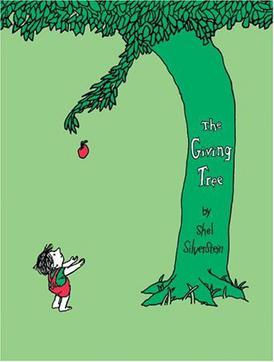
The Giving Tree
By Nissim Ashkenazi
In 1964, the American writer Shel Silberstein wrote a book for children. I read the book to my children in Hebrew* and they enjoyed it very much, and I enjoyed reading it too. I am writing here about it as I remember it—many years have passed— but it is not a word-for-word translation.
I hope you will like it.
Once upon a time there was was an apple tree in a field, a mature tree and full of fruit. A child always came to play with it. He would climb its branches, like a vine, made a king's crown from the leaves, ate its apples and kissed it. And the tree loved the child dearly.
When the child grew tired, he would sleep under the tree, peacefully, in the shade.
The child grew up and became a man. One day he came with a sad face and told the tree that he needed money.
—I have no money—said the tree—, but I have delicious apples. Pick them and sell them.
The child picked them and the tree was happy.
Years passed and the child came back.
—What do you need?—asked the tree, seeing that the child was not happy.
—I have no house—said the child.
—Look—said the tree—, take my branches and you can build yourself a house.
The boy cut and cut and took all the branches, and the tree was left bare, without branches or leaves, just a tall trunk. And the tree was happy.
Years passed and the boy came and told the tree that he wanted to go far away and leave this land.
—Well—said the tree—, cut my trunk and make it a boat, and with the boat you can go far away.
The boy cut the tree's trunk and made a boat and set off to find his destiny. And the tree was happy.
It was left without fruit, without leaves, and without a trunk, but it was happy it helped the boy. Many years passed and one day the tree saw an old man approaching with a stick in his hand, and it recognized the boy.
—Ah—said the tree—, I’m nostalgic, I have nothing left to give you.
—No, no—said the boy—who was now old—. I don't need anything anymore, I just want to sit and rest.
—Come, sit on my stump—said the tree—. Enjoy the pure air and feel the birds chirping and calm your soul.
And the tree loved the boy dearly all his life.
____________________________________
The author lives in Kiryat Motzkin, Israel.
____________________________________
, * Ha ets ha-nadiv. Published by Gefen Books, 2003.
In English, The Giving Tree. Published by Harper & Row, 1964.
_______________________________________________________________________________

El árbol generoso
Por Nissim Ashkenazi

En 1964, el escritor estadounidense Shel Silberstein escribió un libro para niños. Se lo leí a mis hijos en hebreo* y lo disfrutaron muchísimo, al igual que yo. Escribo aquí sobre él tal como lo recuerdo, pues han pasado muchos años, pero no es una traducción literal.
Espero que les guste.
Había una vez un manzano en un campo, un árbol crecido y lleno de fruta. Un niño siempre venía a jugar con él. Trepaba por sus ramas, como una parra, hacía una corona de rey con las hojas, comía sus manzanas y lo besaba. Y el árbol amaba entrañablemente al niño.
Cuando el niño se cansaba, dormía bajo el árbol, tranquilo, a la sombra.
El niño creció y se hizo hombre. Un día llegó con cara triste y le dijo al árbol que necesitaba dinero.
—No tengo dinero —dijo el árbol—, pero tengo manzanas deliciosas. Tómalas y véndelas.
El niño las tomó y el árbol se puso contento.
Pasaron los años y el niño regresó.
—¿Qué necesitas? —preguntó el árbol, al ver que el niño no estaba contento.
—No tengo casa —dijo el niño.
—Mira —dijo el árbol—, toma mis ramas y podrás construirte una casa.
El niño cortó y cortó y se llevó todas las ramas, y el árbol quedó desnudo, sin ramas ni hojas, solo un tronco alto. Y el árbol era feliz.
Pasaron los años y el niño llegó y le dijo al árbol que quería irse lejos, dejar esta tierra.
—Bueno —dijo el árbol—, corta mi tronco y haz un barco con él, y con el barco podrás ir lejos.
El niño cortó el tronco del árbol, hizo un barco y partió en busca de su destino. Y el árbol era feliz.
Se quedó sin fruto, sin hojas y sin tronco, pero estaba feliz de haber ayudado al niño. Pasaron muchos años y un día el árbol vio acercarse a un anciano con un palo en la mano y reconoció al niño.
—Ah —dijo el árbol—, tengo nostalgia, no me queda nada que darte.
—No, no —dijo el niño, que ya era viejo—. Ya no necesito nada, sólo quiero sentarme y descansar.
—Ven, siéntate en mi tronco —dijo el árbol—. Disfruta del aire puro y oye el canto de los pájaros, que te tranquilizará.
Y el árbol amó al niño entrañablemente toda su vida.
_____________________________________
El autor vive en Kiryat Motzkin, Israel.
____________________________________
, * Ha ets ha-nadiv. Publicado por Gefen Books, 2003.
En español, El árbol generoso.
March 13, 2026.
Marzo 13 de 2026.


Comments